ADVERTISEMENT
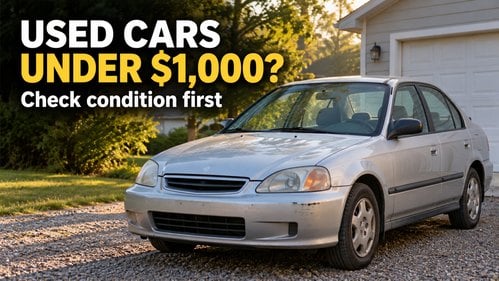
Can you find a usable car for under $1,000?
A low purchase price is only part of the decision. Explore the checks below before considering a car.
The Purchase Price Is Only the Beginning

ADVERTISEMENT
What Is Your Main Priority?
ADVERTISEMENT
A Senior's Guide to Searching for a Used Car Under $1,000 Without Losing the Budget
A car can make grocery trips, appointments, and visits easier, especially where public transport is limited. When the budget is under $1,000, however, the search needs unusually careful judgment. A running vehicle at that price is not a guarantee of dependable transportation.
This U.S. buying guide focuses on a realistic search process. It does not claim that particular models are currently available for less than $1,000 or that older buyers qualify for a universal vehicle discount.
Decide What the $1,000 Must Cover
Is the amount your purchase-price limit or your entire available budget? The answer changes the search.
List registration, applicable taxes, insurance, an independent inspection, immediate repairs, and transport costs if the car cannot be driven home. Get local estimates rather than assuming these costs will be minor.
If a purchase would leave nothing for essential repairs, consider delaying it or exploring temporary transport. Spending the whole budget on an unusable vehicle can make daily travel harder.
Write a Short List of Essential Needs
Focus on the journeys you actually make. Consider visibility, seat height, door opening, control simplicity, and space for any mobility aid you use.
Do not assume every senior needs the same body style. A low sedan may suit one person and be uncomfortable for another. Test the physical fit of the actual vehicle before deciding.
Separate needs from preferences. A favorite color should not outweigh functioning brakes or paperwork that can be transferred correctly.
Find Leads Without Treating Familiarity as Proof
Ask trusted local mechanics, community contacts, and friends whether they know of a vehicle for sale. These connections can introduce a seller, but they do not replace inspection.
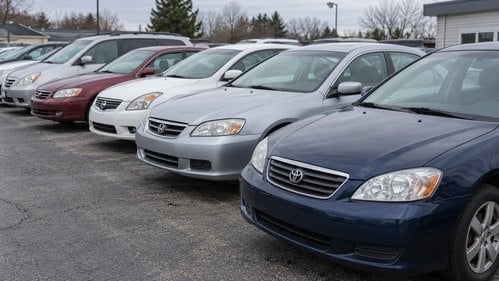
Use local listings to compare asking prices and descriptions. Look carefully for “parts only,” “not running,” “salvage,” “down payment,” or “mechanic special.” Those phrases can explain why the advertised amount is low.
Do not travel a long distance based on a price alone. Request the vehicle identification number, ownership details, and an honest description of known problems before arranging a visit.
Ask Five Questions Before You Go
- Is this the full asking price or a financing down payment?
- Does the vehicle start, run, and currently have permission to be driven?
- Is the seller named on the ownership document?
- What repairs or warning lights are known?
- Will the seller allow an independent inspection?
Keep the answers with the listing. If the description changes repeatedly or the seller will not address basic questions, move to another lead.
Look at Condition Before Reputation
A model known for durability can still be a poor purchase after neglect or damage. Conversely, a modest-looking car with documented care may deserve closer examination.
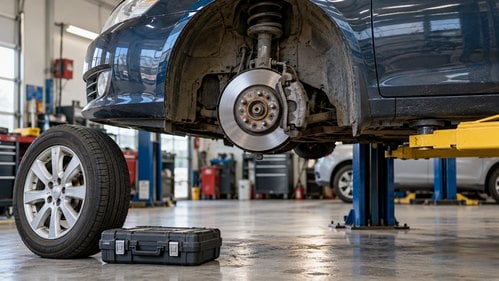
Ask a mechanic about the specific vehicle and likely near-term work. Avoid treating low mileage, a clean interior, or “senior owned” in an advertisement as proof of mechanical health.
The FTC recommends an independent inspection and explains that a history report does not substitute for one. Request an estimate for necessary work, then compare the combined cost with your limit.
Use a Simple Cost Example
Imagine an $850 asking price, $120 inspection, $180 in applicable fees, and $350 of immediate repairs. The illustrative total is $1,500 before insurance and fuel.
These figures are not market estimates. They show why the sale price alone can mislead. Replace every amount with a real quote for the car you are considering.
Recognize When to Walk Away
A seller refusing inspection, unclear ownership, major unresolved safety issues, or pressure to pay before seeing the vehicle can end the discussion. You do not need to negotiate every problem.
If no suitable vehicle fits the budget, compare the cost of temporary rides, community transport, or saving toward a larger purchase. Ask local services about eligibility rather than assuming assistance is available.
Set Aside the Money You Cannot Spend on the Price
Before calling a seller, separate the advertised price from the cash required to begin using the car. Estimate registration, applicable taxes, insurance, inspection, and any immediate work identified by a mechanic. These amounts vary by location and vehicle, so obtain local figures instead of copying someone else's budget. If the purchase consumes all available money, even a modest repair can leave the car unusable.
Decide which faults would end the search for that particular vehicle. A seller's reassurance about brakes, overheating, or structural corrosion is not a substitute for an independent assessment. Ask the mechanic to distinguish urgent safety work from maintenance that can reasonably be planned later. A written estimate makes it easier to compare the car with another option.
Also price the transport you need while searching. Occasional rides, community transport, or another local service may give you time to reject a poor vehicle rather than buying under pressure. Availability and eligibility differ, so check the services you could actually use. This is not a promise that alternatives are cheaper in every case. It is a way to preserve choice. The most useful bargain is one that meets your transport needs without creating costs you have no realistic way to cover.
Frequently Asked Questions
Q1: Which model is guaranteed to be reliable under $1,000?
A1: None. At a very low price, the condition and history of the particular car matter more than a broad model recommendation.
Q2: Should I spend less on inspection to preserve my budget?
A2: Understand the risk before skipping it. A small purchase price does not make a major repair affordable.
Q3: Is a dealer's “$999” advertisement the total price?
A3: Not necessarily. Confirm the out-the-door amount and whether the advertisement describes a down payment.
Q4: What is the best first step?
A4: Define the total available budget and essential transport needs. Then search only for leads you can verify before paying.